
Home A-Z A-Z text British German Unidentified Reprint Birth Sunday Chronological
A - Z



Click on the artist's name to see all his work on one page
A
G. Andral 'La clémence d'Auguste' (Le journal pour tous' 1895)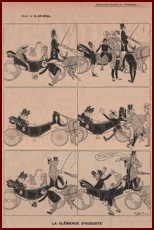 |
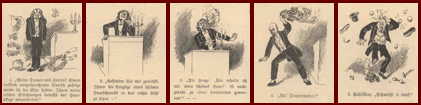
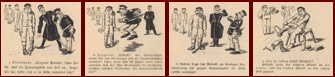
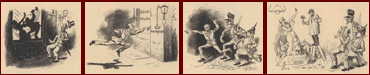
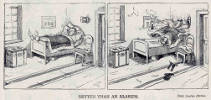
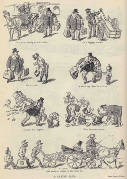
F. von B. 'Der schlaue Pepi - oder - Die geraubte Gans' (Fliegende Blätter vol 82)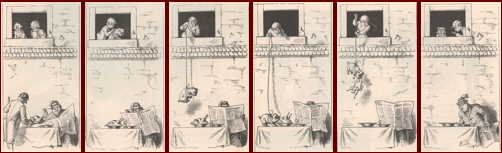 |




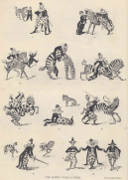
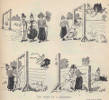
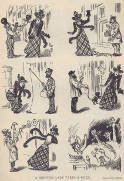
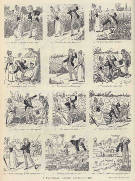
|
Baric - 'Histoire de Martin Landor' ou 'La musique des enfants' ecrite par Kroknotski, dessinée par Baric' 1865 This is only partially a picture story (ie comic). But it shows a different way how the Struwwelpeter influened picture books. Also, it's a precursor of McCay dream-stories, with equal visual brilliance. 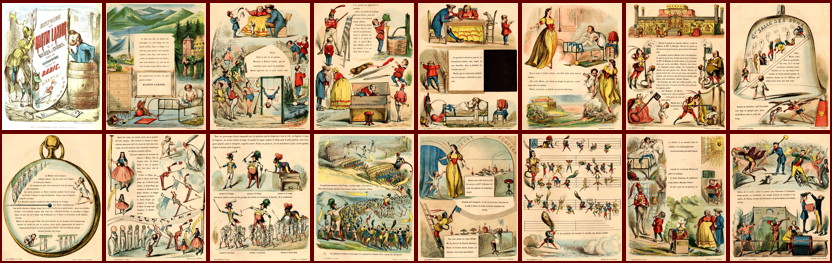 |
Culmer Barnes - 'The Chinaman's Sled' & 'A Free Lunch' 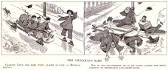
 |
Frank Beard 'It Didn't Work for a Cent' (from Puck 'On the Road' 1889) 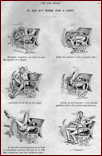 |
Edouart Bernard 'Une ligne résistante' (Polichinelle 1898 - Journal humoristique hébdomadaire pour la famille) |
A.D.Blashfield 'Too much for Brer Rabbit'(pre 1893) 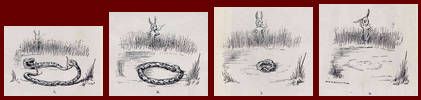 |
|
Robert Branston Old Mother Hubbard and her Dog - Various early editions including a lovely one from 1819, probably by Robert Branston 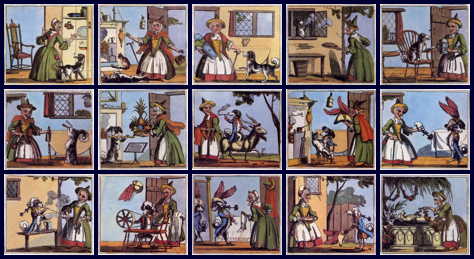 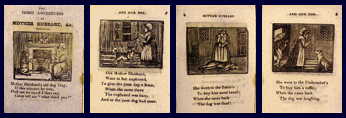 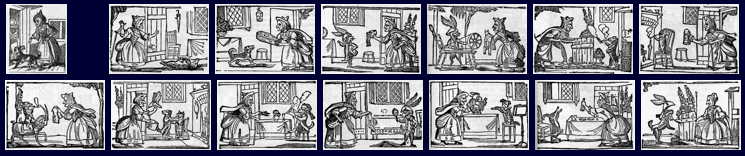 'The Comical Cat' (1818) Another 'Madam with an animal' thingy by Branston, plus a couple of later US variations. 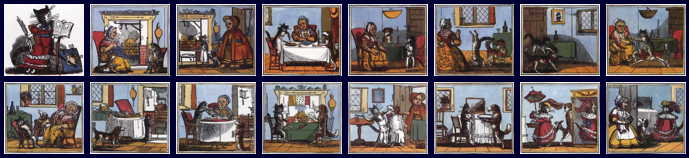 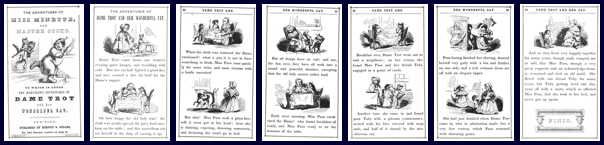  Dame Wiggins of Lee and her Seven Wonderful Cats (1823) More an illustrated story than a comic, because not enough of the relevant action is shown visually. This was a favourite childrens book of the art critic John Ruskin. 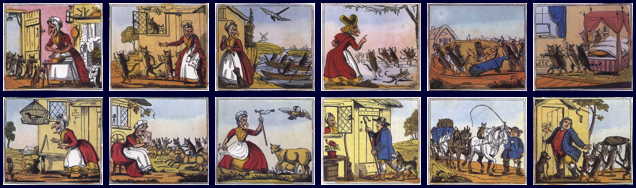 |
C.J.Budd 'The Bill-Poster's Revenge' (Harper's Round Table, Annual 1897) |
R.F. Bunner - (The Circus Lion) (Harper's Round Table, Annual 1897) (without words) |
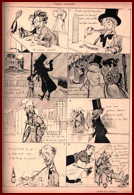
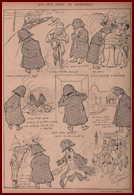
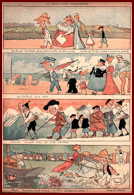
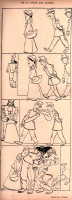
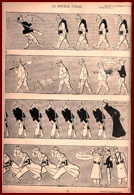
Wilhelm Busch
 Der kleine Maler mit der grossen Mappe (1859) (The little painter with the large portfolio) This early work still uses the romantic drawing style of Ludwig Richter (Grimms Fairy Tales etc).  Max und Moritz (1864) The famous story which inspired Randolph Hearst to commission Dirks to create the Katzenjammer Kids and thus create the modern comics strip. 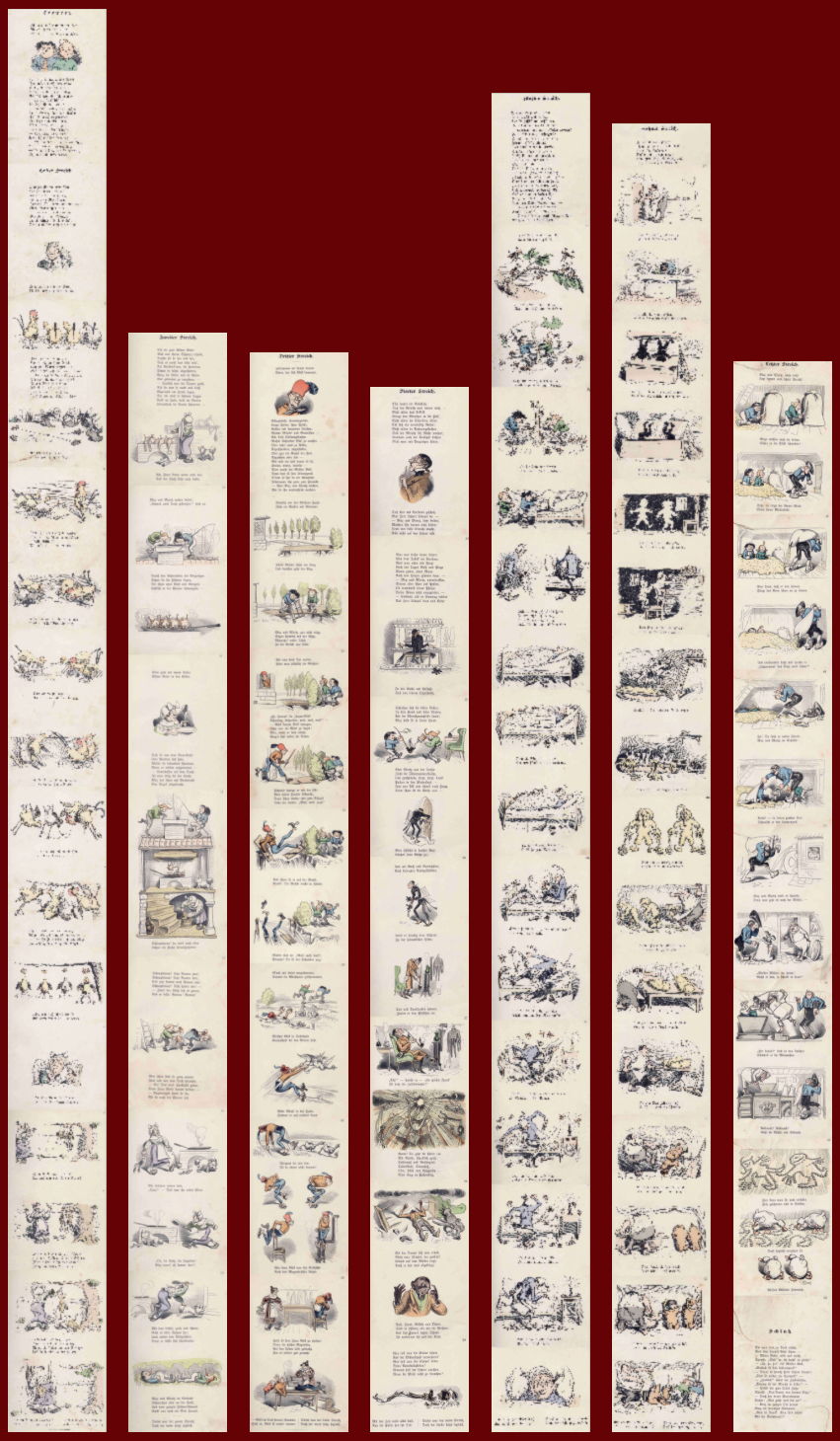 Das warme Bad / The Warm Bath (1865) Bilderbogen number 278  Der Floh / The Flea (1865) Bilderbogen number 390 - wordless - alternative title: .Disturbed and Refound Peace of Night' 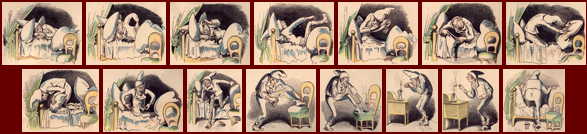 Der Virtuos / The Virtuoso (1865) Bilderbogen number 465 Astonishing page, which was particularly influencial.  Der gewandte, kunstreiche Barbier und sein kluger Hund / The Baber and his clever dog (1865) BB399 Was imitated by Charles Ross, especially the last panel 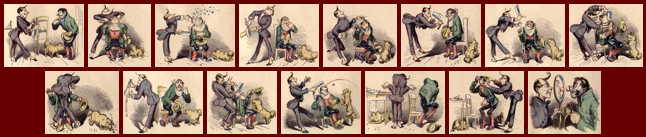 The Hollow Tooth (1865) Bilderbogen number 330 This was inspired/heavily influenced by George Cruikshank's 'The Toothache'  Der Bauer und sein Schwein (The peasant and his pig)  Der Bauer und der Windmüller (The Peasant and the Miller) (two Bilderbogen in sequence) 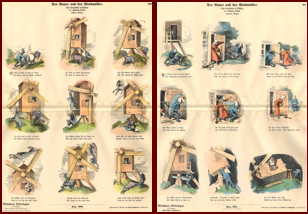 Der vergebliche Versuch (Returning home after New Year's Eve...) (1865) (from Fliegende Blätter vol.46) 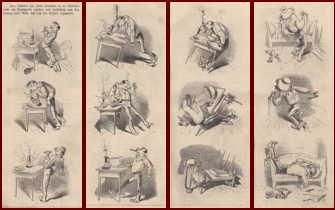 Der Katzenjammer am Neujahrsmorgen (The hangover on Newyear's Day) (1866) (from Fliegende Blätter) 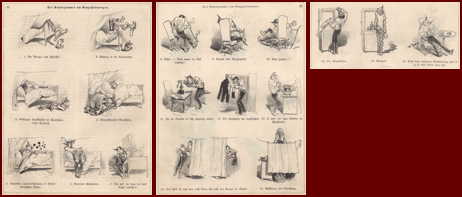 Der schöne Ritter' (The handsome Knight) (1866) (from Fliegende Blätter) 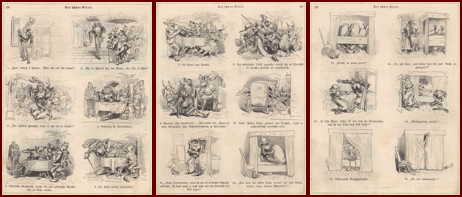 |
C
|
Randolph Caldecott The Milkmaid 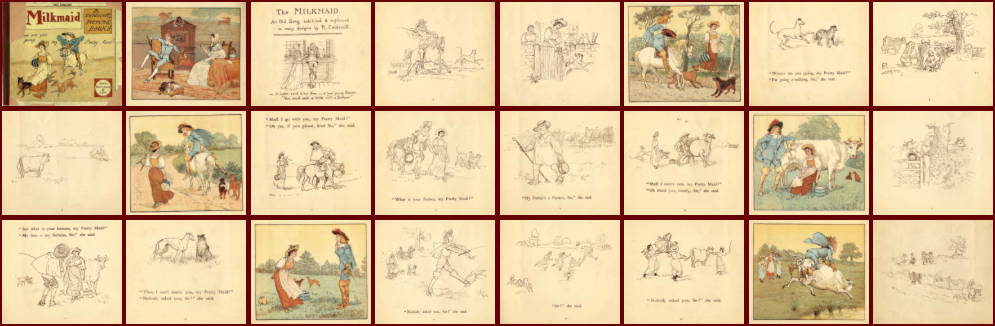 The Rivals  The Wynchdale Steeplechase (scroll sideways)  Our Haymaking 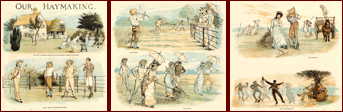 Carlyon's Christmas 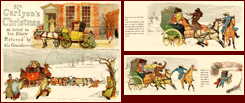 |
|
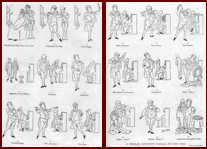
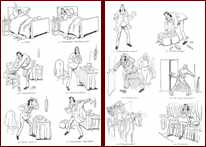
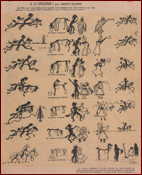
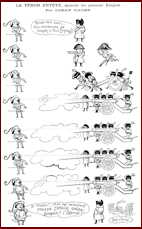
Caran D'Ache Trappeur d'Arkansas ou Une Erreur Judiciaire (1893)  La Vie de Chateau 1897  Querelle d'Allemand (Le Rire - 25 January 1896)  La Loi de la Femme A popular Favourite (originally from 'La Caricature', before 1893) (a variation on 'The Virtuoso' by Busch) (Catching the train) (before 1893) A la Houzarde (Le Rire, 2.November 1895) Le Ténor enteté 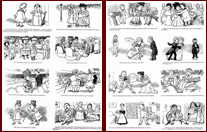
 |
George Chicki - Souvenirs Bachotiques (1870) (graphic novel in the manner of Töpffer) 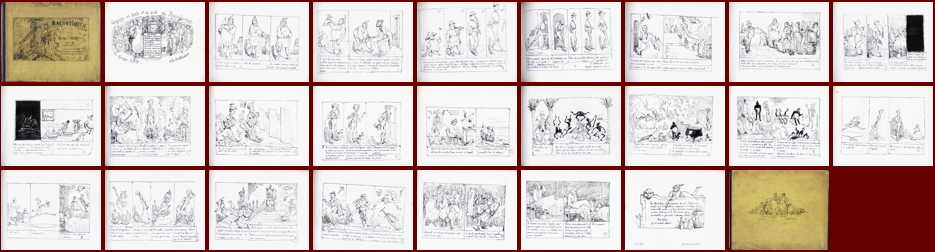 |
Chinese Woodcut 'How China is Made' (china = porcelain) (late 18th cent., reprinted 1893) 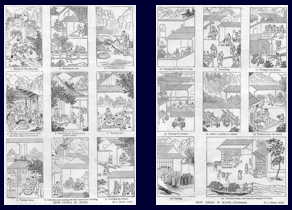 |
Chip (F.P.W. Bellew)
The Rivals' A Tale of St. Valentine ('Chip's Dogs', 1895 )
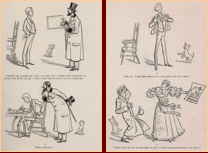 |
J.B. Clark 'Le Maleurs d'un chat' (from 'Album Noel', 1900) 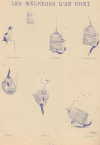 |
Emile Cohl 'Logement a Louer' (Polichinelle 9.Mai 1897)
(That's the same Cohl famous for creating the first animated cartoon.)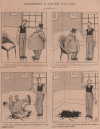 |
|
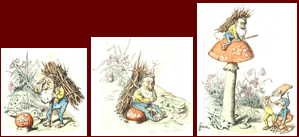
Christophe (Georges Colomb) Le Malices de Plick et Plock (Petit France 1902, Number 122) This page shows how much Christophe was influenced by German cartoonists. Wilhelm Busch's Icepeter motiv is turning up again, and more directly the various dwarf stories by Lothar Meggendorfer or Johan Bahr. 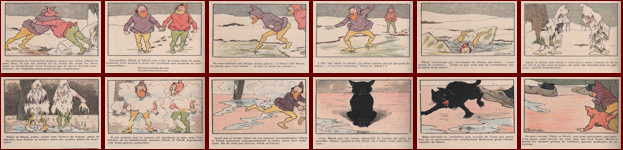 La Fontaine Modernis? - Le Renard et la Cigogne (Petit France 1901, Number 108 Le Baron de Cramoisy (Vll) - Le Petit Francais Illustré 1901 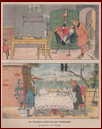
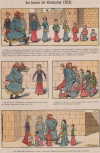 |
Alfred Crowquill (Alfred Henry Forrester) 'Pantomime, to be played at home' 1849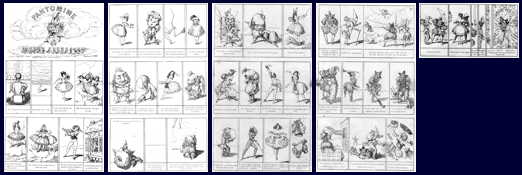 |
|
George Cruikshank
'The Progress of Mr. Lambkin' (1844) A story told in 25 tableau-type pictures. Nice large scans. 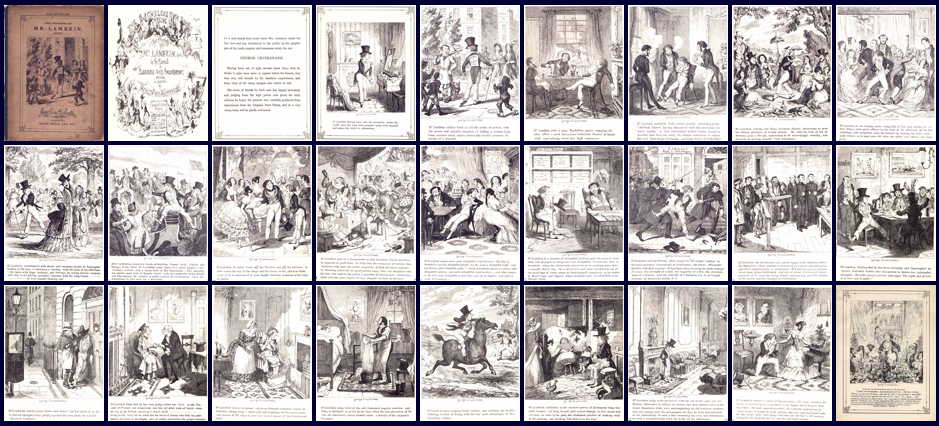 'Premium Discount' (Spoof on dangerous railways)  Comparison with A.B.Frost - (Two-panel cartoon which may have been the inspiration for a famous comic by A.B.Frost, part of which is shown) 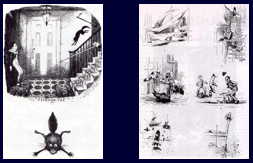 |
C.Cyl 'Peche ? la ligne' (from 'Album Noel', 1900) 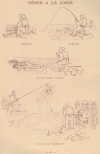 |
D
A.S.Daggy 'A new use for the Japanese Umbrella' (Harper's Round Table, Annual 1897) (without words) |
|
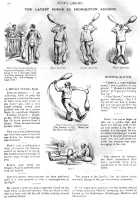
Dalrymple 'The unexpected always happens' (from 'Puck's Library') 'His Diploma' (At the theatre) (Le Rire, 11.Mai 1895 - originally published in Puck) 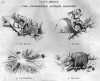
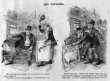
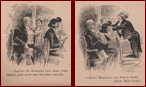
|
|
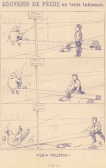
Deb Un essai (from 'Album Noel', 1900) Souvenir de pêche (from 'Album Noel', 1900) 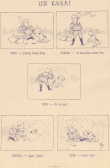
 |
|
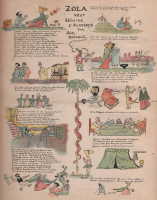
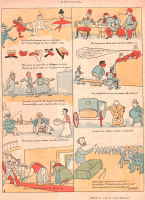
Jules Dépaquit Le Bourreau trop vigoureux - ou - erreur n'est pas compte Zola veut séduire l'académie Carneval (1897 - Le Rire) 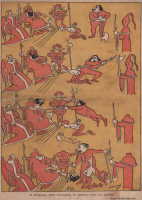
 |
Dio Biding 'La méchanceté' (from 'Polichinelle' 9.Mai 1897) |
|
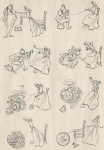
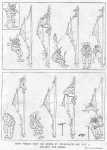
Doës Polly's Little Joke (from 'Le Papillon', reprinted in Picture Magazine 1893) Subjection (from 'Scribner's Magazine') How Pierre sent his Boots by Telegraph and got a Receipt for them (from 'La Revue illustré, reprinted in Picture Magazine 1893) 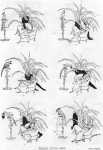
|
|
Gustave Doré 'Trois artistes incompris et mecontens' (1858) - Outstanding lithos by his own hand all on one page part 1 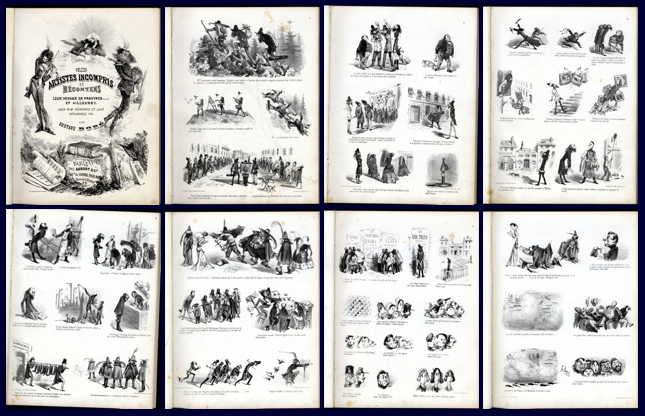 part 2 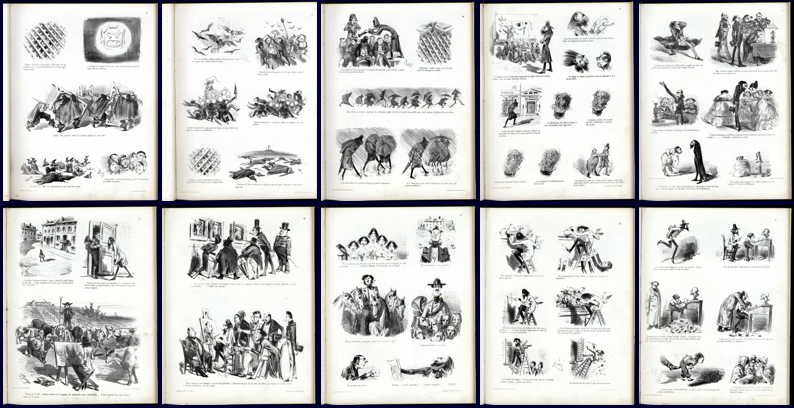 part 3 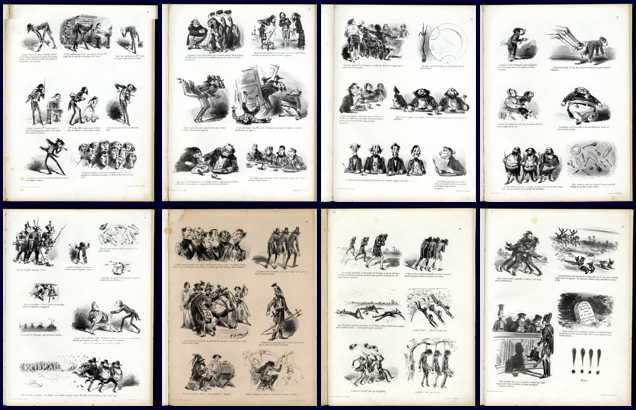 |
A. Douhin 'Génération Spontanée' (from 'Journal Amusant' 11. November 1899)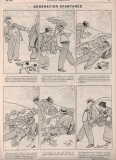 |
Richard Doyle- Pleasure Trips of Brown, Jones and Robertson - from Punch, 1850 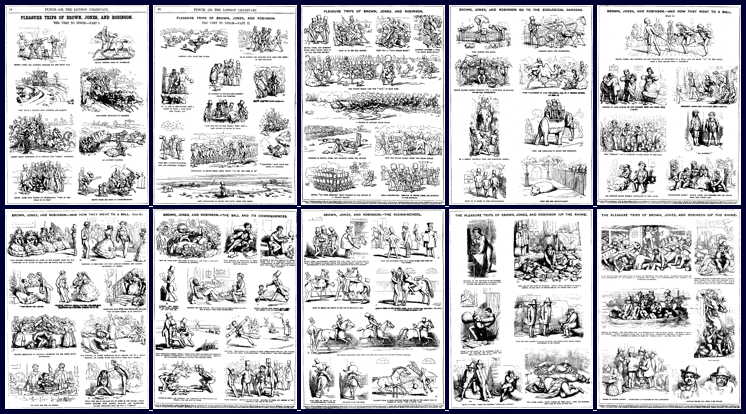 |
|
M. Dunk 'How a Famous Hunter Won a Reputation' (Harper's Round Table, Annual 1897) (without words)  |
E
Edwina Book Collection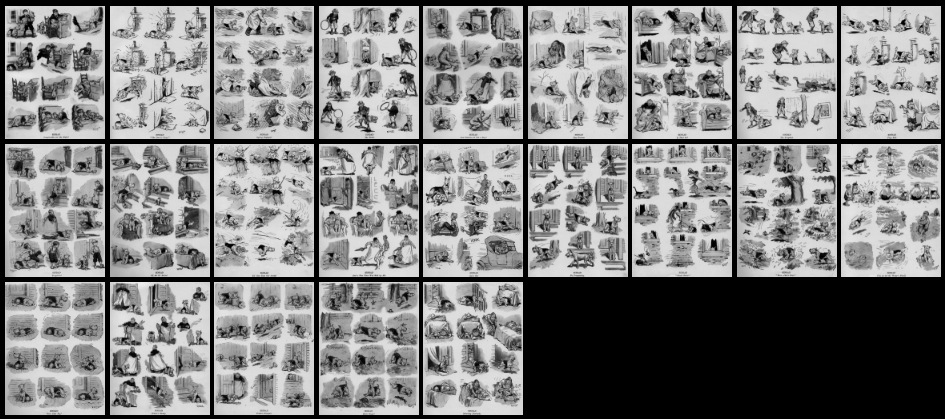 |
F
|
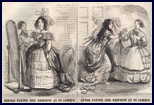
Fernand Fau (Champagne) (Le Rire, 11.Mai 1895)  La Création du monde  Le Duel Pini-Thomeguex (Le Rire, 11.Mai 1895) Cartoon with a speechballoon, influenced by Caran d'Ache.  Échos de la semaine prochaine (Le Rire, 14 April 1896)  Interviews printaniers (Le Rire, 4.Mai 1895)  Etre président de la république (Le Rire, 14 April 1896)  |
A. B. Frost 'He was a Tenderfoot' (from Scribner's Magazine Vol.XIII No.1, January 1893 )  |
G
Gerlach 'A Tale of a Lamp and a Bath' (from'Universum', reprinted in Picture Magazine 1893) |
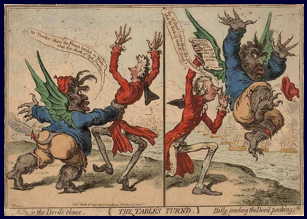
James Gillray - 'The Table's turned - Billy in the devil's claws / Billy sending the devil packing'
Much more influencial than Hogarth or Goez were the thousands of British political cartoons. Most were just that, cartoons, meaning single image jokes. However, a huge number of them used (and developed the use of) speechbaloons. And a good number did in fact use two or more interdependant images to tell a story. (That means they were comics.)
 |
Godefroy 'A Comfortable Smoke' (from Revue Illustré - reprinted Picture Magazine 1893)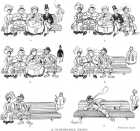 |
|
Franz Joseph von Goez 'Lenardo und Blandine' 1783 Ironically this, the first actual graphic novel(ette), probably had little influence. It was too ahead of its time as far as the comic-structure is concerned. In content it was delightfully very much of its time, full of outrageous melodrama. Here's the complete sequence, with my translation underneath: All on one page page 1-34 page 35-65 page 66-93 page 94-125 page 126-160 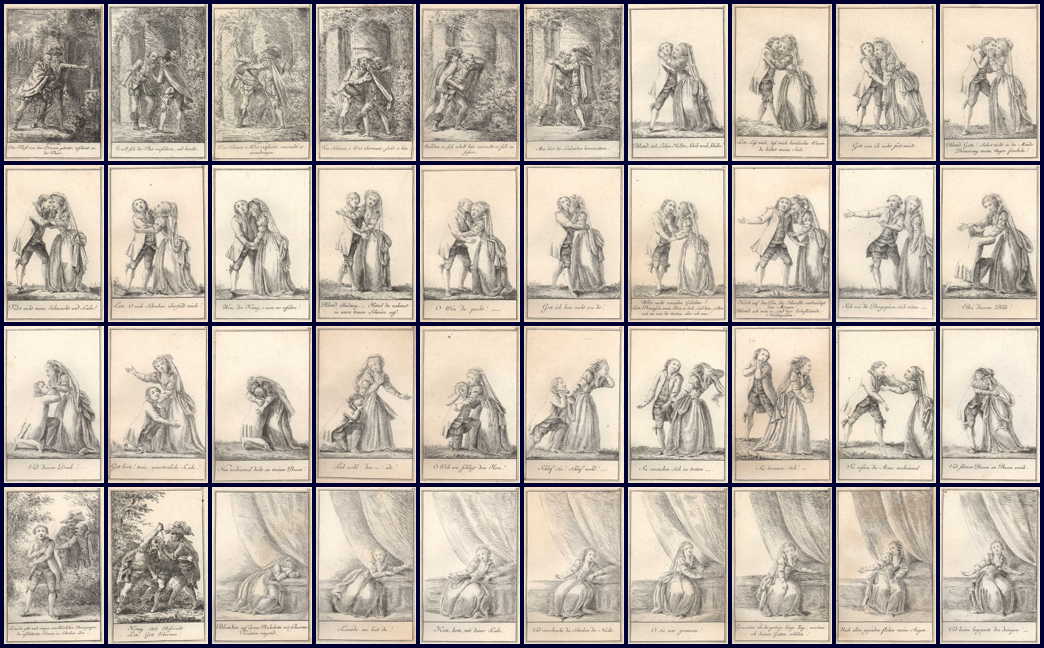 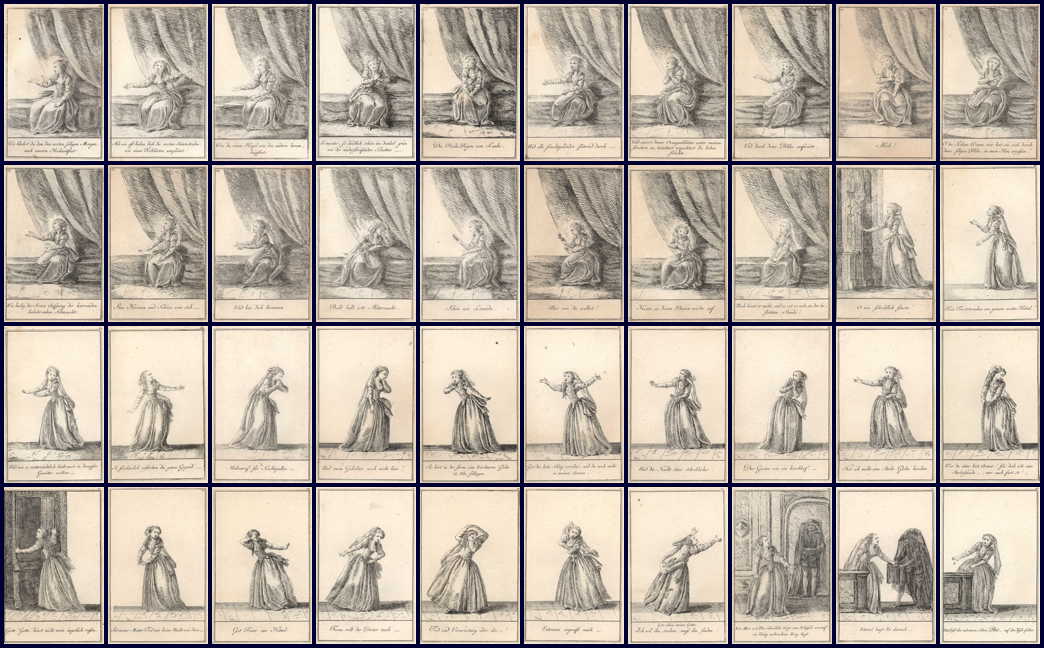 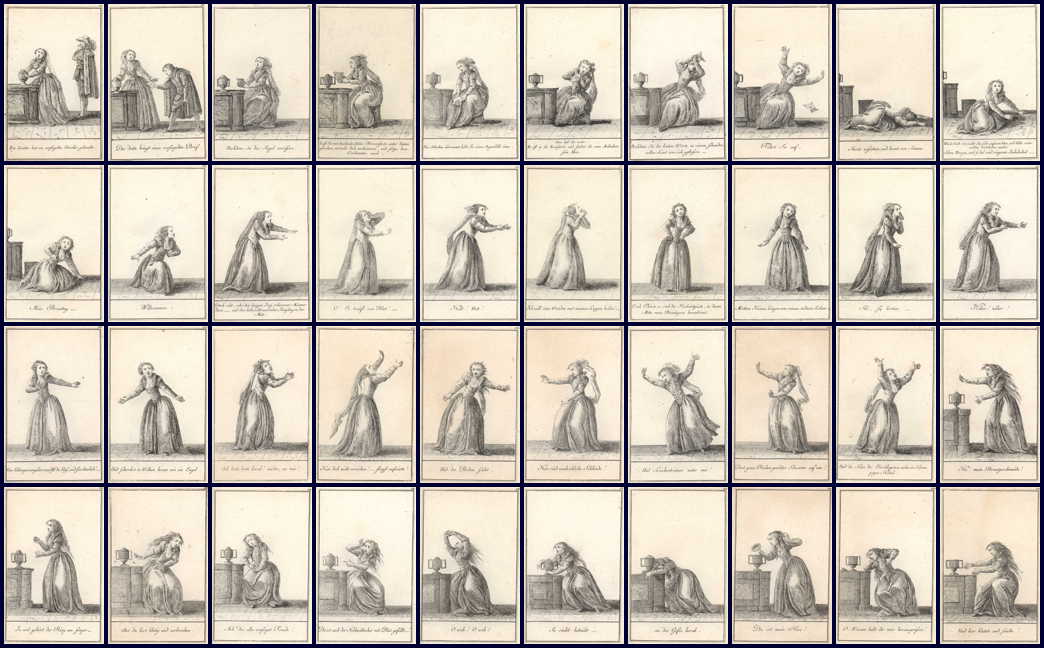 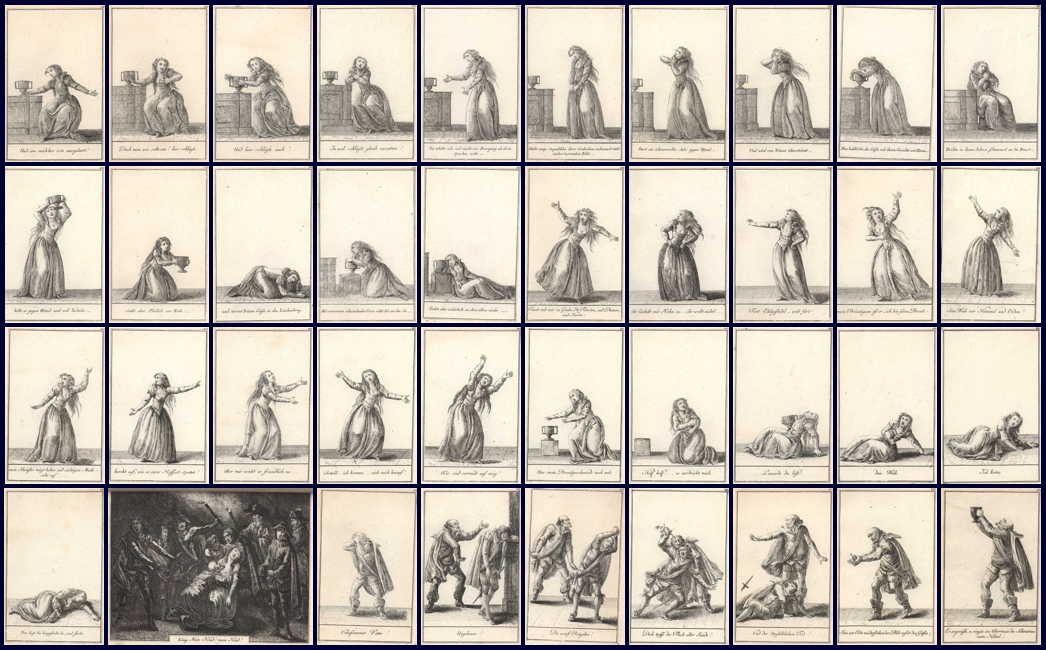 |
W.M. Goodes 'The Funniest Thing He ever Saw' (Bear & Fishing Rod) (from Harper's Round Table, Annual 1897) |
F. Graetz 'Die Wirkung der afrikanischen Sonne auf das Kilimandscharo-Gebiet' (1892) (Lustige Blätter) 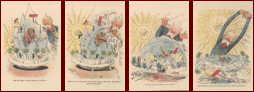 |
Grandville - A dream of crime and punishment, Gertrude (1847)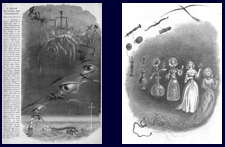 |
|
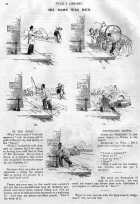
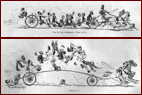
Syd B. Griffin 'Snap-Shots'/A Friend in Need His Name was Mud (from Puck's Library) Let Her Go 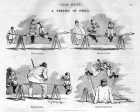
 |
H
|
William Heath - 'White Bait' (1830)
(a four-panel comic strip with speechbaloons) 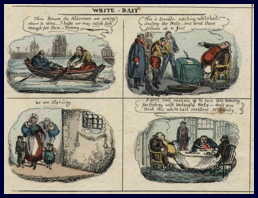 |
|
O. Herford 'The Bow Legged Admiral and the Educated Dog' (Harper's Round Table, 1897) 
'The Lost Joke Recovered by Xray'(Harper's Round Table, 1897) |
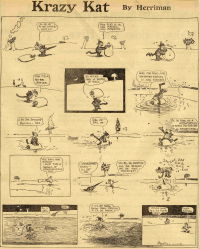
George Herriman - 'Krazy Kat'
 |
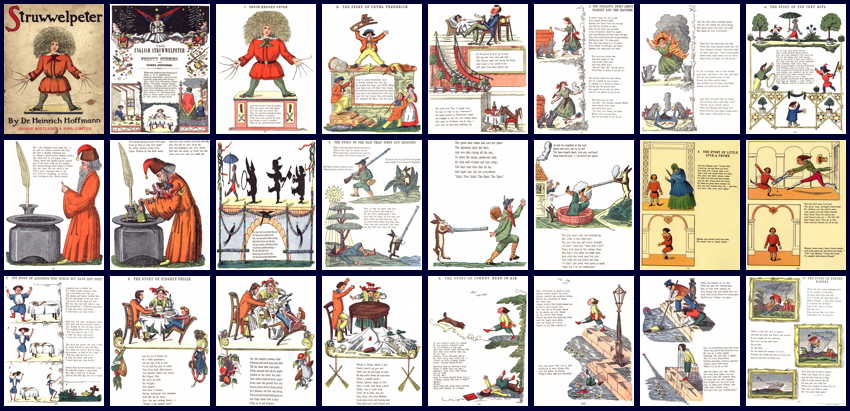
Heinrich Hoffmann 'Struwwelpeter'
(drawn 1844, published 1847 - English edition 1848)
This famous picture book is stylistically related to earlier chapbooks and Bilderbogen / picture broad sheets.
The hunter/rabbit story is similar to a panel from an earlier Bilderbogen showing (non-sequential) instances of a 'topsy turvy' world.
 |
|
William Hogarth 'The Harlot's Progress (1730)
small version click here
The famous 'progressions' by Hogarth were not actually comics. The images don't lead into and don't interact with each other. Each shows a distinct, separate stage of a longer story. However, because of their great popularity, they established the very notion of telling entertaining stories with a series of pictures and so became a highly influencial stepping stone for future developments. 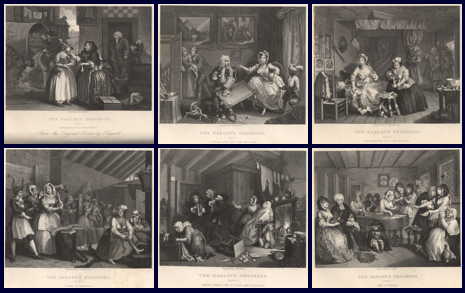
|
Livingstone Hopkins 'Professor Tigwissel' (1875) - very early U.S. newspaper comic
|
|
F.M. Howarth Récréation Chinoise (from 'Album Noel', 1900)  Editor and Poet (Puck 1894)  'An ingenious Device' (originally published in Life - reprinted in Picture Magazine 1893)  'Lovers of Art' (originally published in Life - reprinted in Picture Magazine 1893)  'Pelle et Brouette' (originally published in Puck, reprinted in 'Polichinelle' 31 July 1898)  Le Portrait trop resemblant et la veuve trop démonstrative' (originally published in Puck - reprinted in Le Rire, 4.Mai 1895)  Un enlevement acrobatique ou le vrai amour ne connait pas d'obstacles' (originally published in Puck - reprinted in Le Rire 9 May 1896 )  The dog at the butcher's (orginially published in 'Judge' - reprinted in Le Rire, 2.November 1895)  An Assisted Flirtation (Puck 28. July 1897 )  Easily Arranged (Puck 28. July 1897 ) 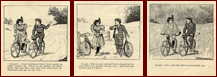 External link (John Adcock's Blog) Selfportrait & short strip |
J
|
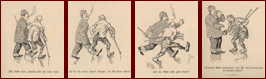
A. Jensen 'Der Abgeordnete und der Wähler' (Lustige Blätter 1892) (the often repeated visual joke of relating the size of people to their power or importance) 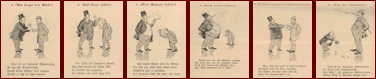 'Die 'Vermehlung' des Schornsteinfegers' (Lustige Blätter 1892) 'Die Ratte' (Lustige Blätter 1892) 'Ein armer Lahmer' (Lustige Blätter 1892) 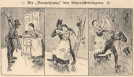

|
K
Charles Keene (1823-91) 'The Adventures of Miss Lavinia Brounjones' (Punch 1866)
|
W.C.Kemble 'An Ingenious Escape' (Harper's Round Table, Annual 1897)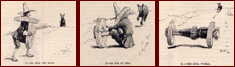
|
|
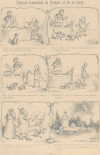
Kerlie? 'Histoire de deux chinois et d'un enfant trop malin pour son age' 'Histoire lamentable de Prosper et de sa soupe' 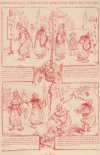
|
Harold Knerr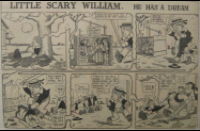
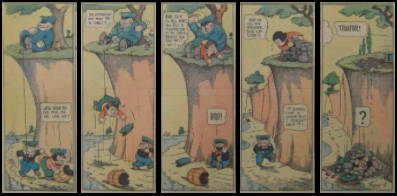
|
C. Koch (Deutsche Bilderbogen 162 - Gustav Weise Stuttgart) 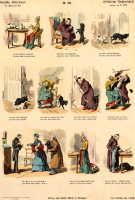
|
L
Ch. Lagemann 'Der zerstreute Professor oder Eine Überraschung' (Lustige Blätter 1892) 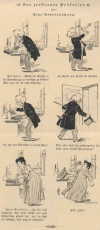 |
Le Bocain (jeune ou vieille?) (Le Rire, 11.Mai 1895) 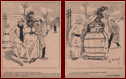
|
|
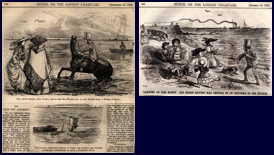
John Leech Mr. Briggs 1850/1  Noddy 1, (Mr. Tom Noddy's first Day with the Hounds after the long Frost) 1855 Noddy 2, (At the Seaside) 1855 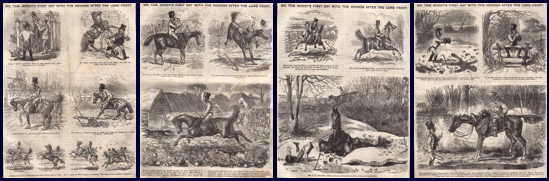
Mr. Popplewit, - How Mr. Popplewit enjoyed a day's Rook Shooting, 1855 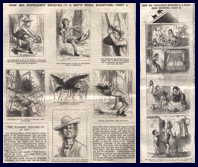
Portrait of 1855 (in watercolours) (Before and After) 1855 The Best Preventive against Sea Sickness, 1855 The Removal of the Snow, 1855 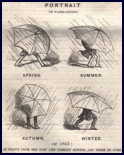
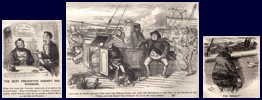
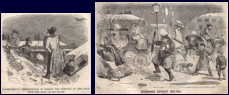
|
|
Achille Lemot (aka Uzès)
(all from 'Album Noel', 1900) Avec de la tenacité Un jeune inventeur 'A.L.' 'Fourrures a l'essai! C'est que la vie (A.L. in the squiggly border) Une Faute de Gugusse (the classic hosepipe gag) Une tartine pour trois Maladroit mais rusé Un farceur attrapé ou un voleur envolé Punition mériteée Valeur du temps Une lecon de botanique Ce qu'il en coute d'apprendre à un éléphant à se balancer Un tour de force Rira bien qui rira le dernier Les cinq sens (not a comic) 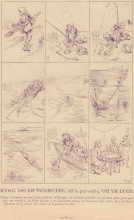
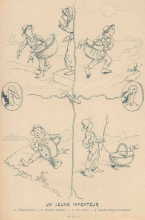
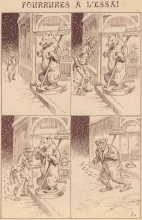
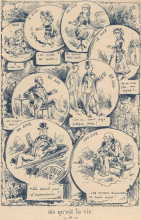
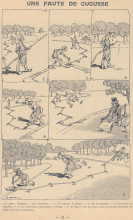
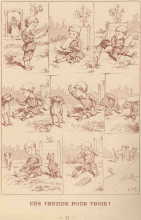
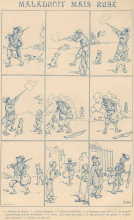
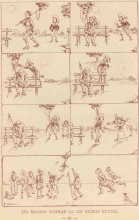
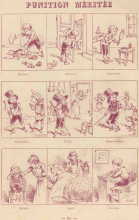
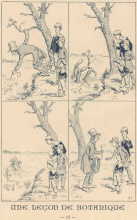
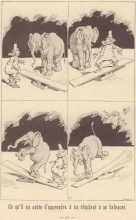
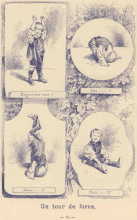
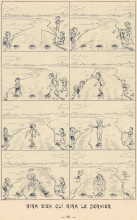
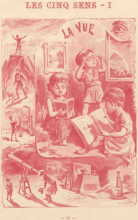
|
Timoléon Marie Lobrichon Histoire de Mr. Tuberculus (1856) (only a few pages)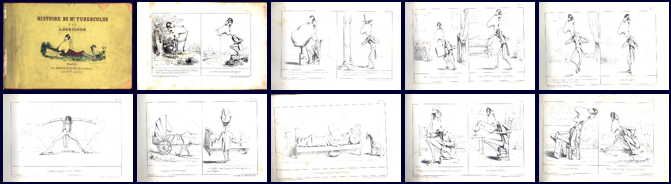 |
|
Luc Leguey Le Rire - 14 March 1896  La nuit de noces du Viveur (containing small speechballoon) 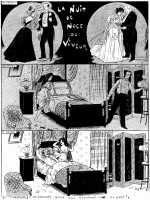
|
Alfred Le Petit - 'En Chasse' ('Polichinelle' 9.Mai 1897) 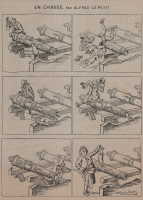 |
Leoy (Variation on 'The Virtuoso' by Busch) (reprinted in Picture Magazine 1893) 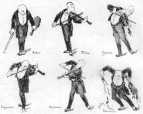 |
M
|
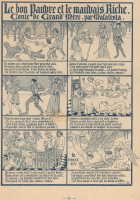
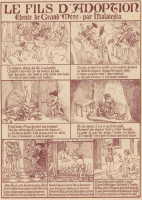
H.Malatesta 'Le voleur bien volé' 1895 (from 'Album Noel', 1900) 'Le bon pauvre et le mauvais riche' (from 'Album Noel', 1900) 'Le Fils d'Adoption' 1896 (from 'Album Noel', 1900) 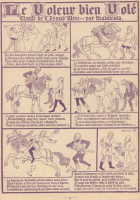
|
M. Mandl 'Praktische Verwertung der neuesten Mode' ('Practical application of the latest fashion') (1885) (Fliegende Bl&amul;tter vol 82)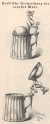 |
George du Maurier 'The Philosopher's Revenge' (Punch 1866)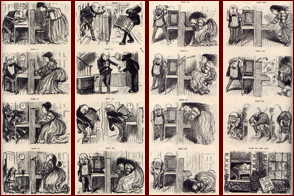 |
|
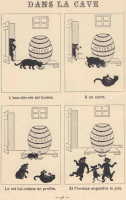
Chas May Un sac, un homme, un chien & un tonneau (from 'Album Noel', 1900) Dans la cave (from 'Album Noel', 1900) 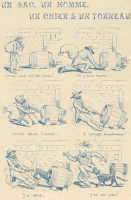
|
Hy Mayer 'How the Dromedary became a Camel' (Harper's Round Table, Annual 1897)
 |
|
Winsor McCay Comparison of McCay dragon to German Baroque theatrical design 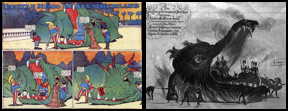 Dream of the Rarebit Fiend (19.1.1913)  Dream of the Rarebit Fiend (27.7.1913) 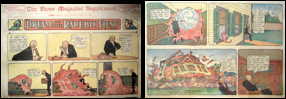 |
|
Walt McDougal Professor Jyblitz (1.2.1902)  Hank the Hermit (29.9.1912) 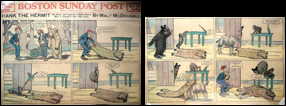
|
John Mclenan 'The Flight of Abraham - as reported by a Modern Daily Paper' (Harper's Weekly 1861) 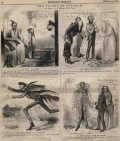 |
|
Lothar Meggendorfer Aus den Kinderjahren eines Kautschukmenschen (from the infant years of the plastic man) 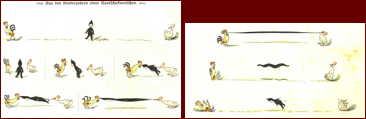 Rache ist süss (Revenge is sweet)  Die schlauen Zwerge (The Clever Dwarfes)  Misslungene Arretierung (Unsuccessful Arrest)  Liebesgram und Heilung (Love sickness and Recuperation)  Das bockbeinige Schwein und der Philosoph (The recalcitrant pig and the philosopher)  Die Macht der Musik' (FB 1888) 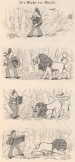
|
|
Mob L'aumone Un drame Pêche difficile Repos Troublé 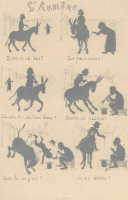
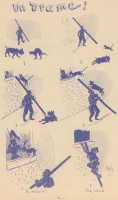
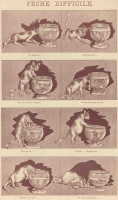
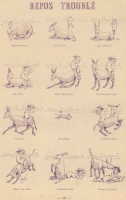
|
|
M. Monnier 'La Punition d'un Gourmand' (The punishment of a glutton) ('Le Petit Francais' 26.April 1902)
A forerunner of McCay's dream comics !!!  |
|
Moriss - Interruption Piquante (Note - The chap is reading the magazine in which the comic is published) 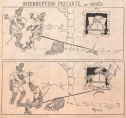 |
N
|
Peter Newell (Policeman and Matchstick) (Harper's Round Table, Annual 1897) 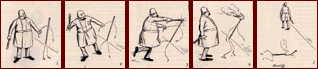 'Introduction' (Harper's Round Table, Annual 1896) 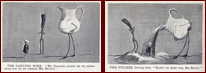
|
|
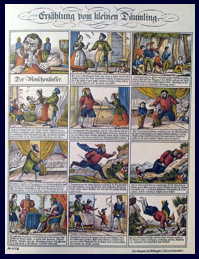
Neuruppiner Bilderbogen (Neuruppin Picture-sheets) 1835/1840 Geschichte der Madam Rips und ihres Hundes Bello 1835/40 This sheet demonstrates the international influence of British picture stories - a close copy of Old Hubbard, translated into German: (the English version was here) . Bello comes from 'bellen', to bark. Typical doggie name. 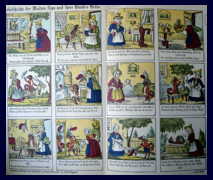
More common were these charming fairy tale adaptations: Cinderella 1835/40 Hansel and Gretel (here called Martin and Ilse) 1835/40 Erzählung vom kleinen Däumling / Story about Little Tom Thumb (1835/40) Schneeweisschen und Rosenrot (1835/40) (Little Snowwhite and Rosered) (not the Snowwhite. The 'real' name of Snowwhite is 'Schneewittchen', which is a dialect version. A direct translation of snowwhite would be 'Schnee-weiss' ) 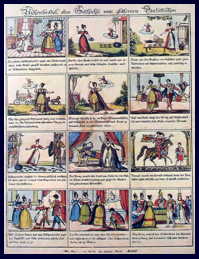
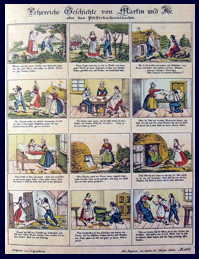
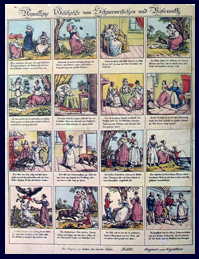
There were also popular stories of romantic robbers: Rinaldo Rinaldini (1835/40) or a satire for grown-ups about emancipated women (and why to avoid them): Der Kleine Mann und die grosse Frau (The little Man and the large Woman) (1835/40) 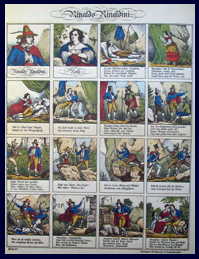
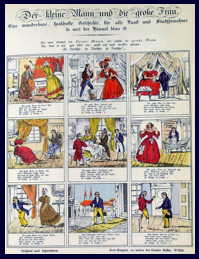
|
O
|
Adolf Oberländer Illustrierte Anzeige - Ein Grotesktänzer, durch Kabalne dem Ballett entrissen, empfielt sich als Bodenwichser  Ein jedes Tierchen hat sein Pläsierchen - 1885 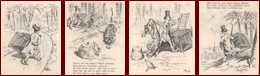 Die kurzsichtige Tante (The shortsighted aunt) 1903 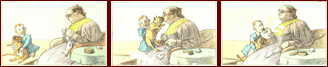 Münchener Tartarus (1865) Die unterbrochene Trauung (1865) Täuschung - (text with three illustrations) (1865) Der Wunderdoktor (1865) Zufalls Tücke - oder - Unfreiwillige Illustration - 1885 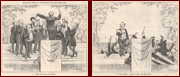
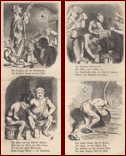
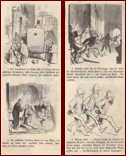
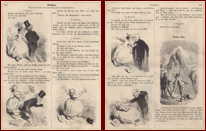
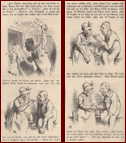
|
|
Fred Opper
The Wicket Seal Hunter and the Clever Seal His Doctors, and how they didn't do him any good A Real English Outfit in America In Maine The Result of Feeding a Neapolitan Greyhound on Macaroni The Power of Habit 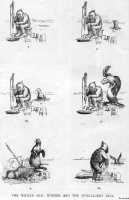
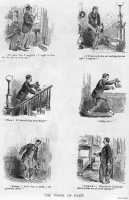 A Close Shave (The Pretty Typewriter) Mike Cassedy's Toothache A Distinct Success Saved - A Tale of Simple Heroism Rewarded The latest dodge 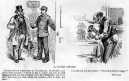
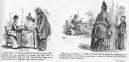
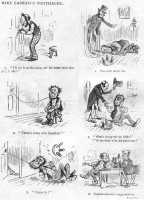
A story of the road A Quick Response A slight error of judgement Not quite out of practice True too his word (Puck 28. July 1897) 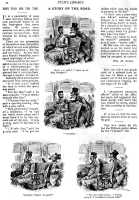
|
'Happy Hooligan' 1901-1903
|
P
|
Charles M. Payne all on one page |
|
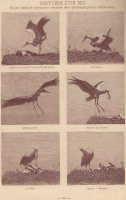
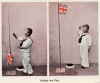
Photo Comics Le premier cigare Histoire d'un nid (not photos, only traced from photos) Saluting the Flag - 1912 Hunter and Dog 1899 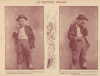
|
Emile Piery - Fantaisie sur le duel (from 'Polichinelle' 31 July 1898)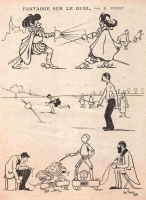
|
H.W. Philips - A Friend in Need is a Friend Indeed (Harper's Round Table, Annual 1897) |
|
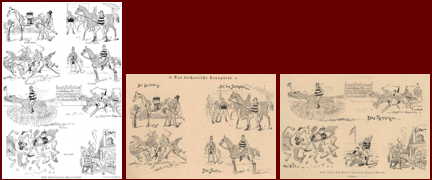
Karl Pommerhanz Ein Frechdachs Der getäuschte Arzt Die Benutzte Gelegenheit Die kleinen Verwandlungskünstler Der Herr Professor und das Feuerwerk 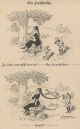
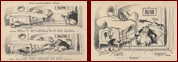
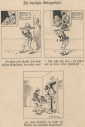
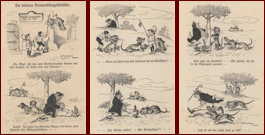
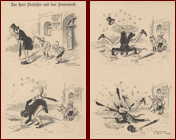 Das boshafte Geschwisterpaar Die Pferdelspieler Der kleine Turner und seine Lebensrettung 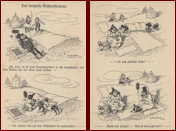
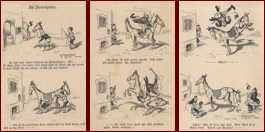
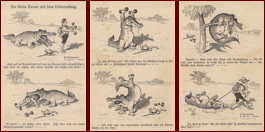
Bestrafte Unhöflichkeit (1892) 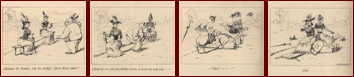
|
J. S. Pughe A Small Story with a Large Application (from Puck 28.July 1897)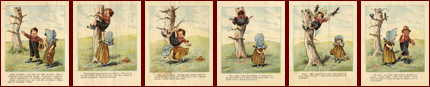 |
R
|
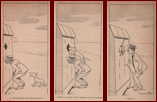
Benjamin Rabier Le Lion Télescopé (Le Rire - 11 April 1896 ) Gontran à Trouville (Le Rire - 27 June 1896 ) 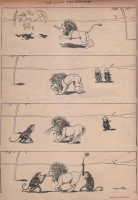
|
|
M. Radiguet (on one page) |
Carl Reinhardt (Die Landpartie) (Deutsche Bilderbogen für Jung und Alt Nr.96)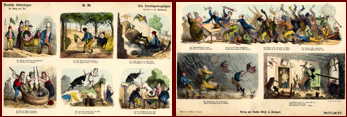 |
Reichert 'Un Drame en deux actes avec trois personnages' (from 'Album Noel', 1900) 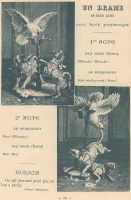 |
|
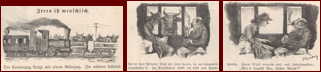
Emil Reinicke Das jähzornige Nashorn' (The angry Rhino) (1886)  Die verschwundene Wurst - Eine merkwürdige Begebenheit (FB 1885) Irren ist Menschlich (to err is human) (FB 1884) 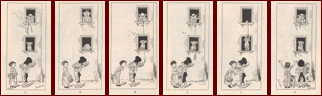
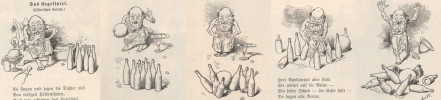
 Iberus - Eine antimusikalische Ballade (FB 1884)  Dr. Mokel in Afrika (FB 1884) Sächsisches Landsknechtlied (FB 1885) Das Kegelspiel - Historisches Gedicht (FB 1885) 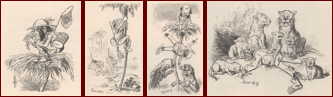
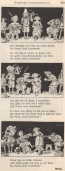
 Der Kluge Elefant (The clever elephant) (1902) Der durstige Jumbo' (Thirsty Jumbo) (1902) 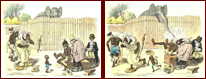
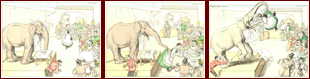
|
K.Rey 'Une histoire qui finit mal'(from 'Album Noel', 1900) 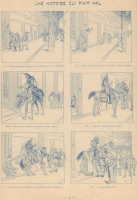 |
F. Reznicek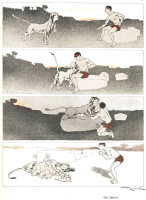
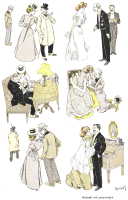
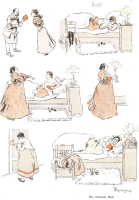 |
|
F.T. Richards It's an Ill Wind Blows Nobody Good (Harper's Round Table, 1897) 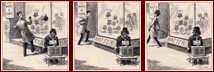 The Fakir and the Prestidigitateur (Harper's Round Table, 1897)  An Occidental Transformation (Harper's Round Table, 1897) 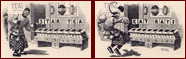
|
|
Charles Ross & Marie Duval
'Ally Sloper' (magazine pages rearranged for an early reprint in bookform, 1867) 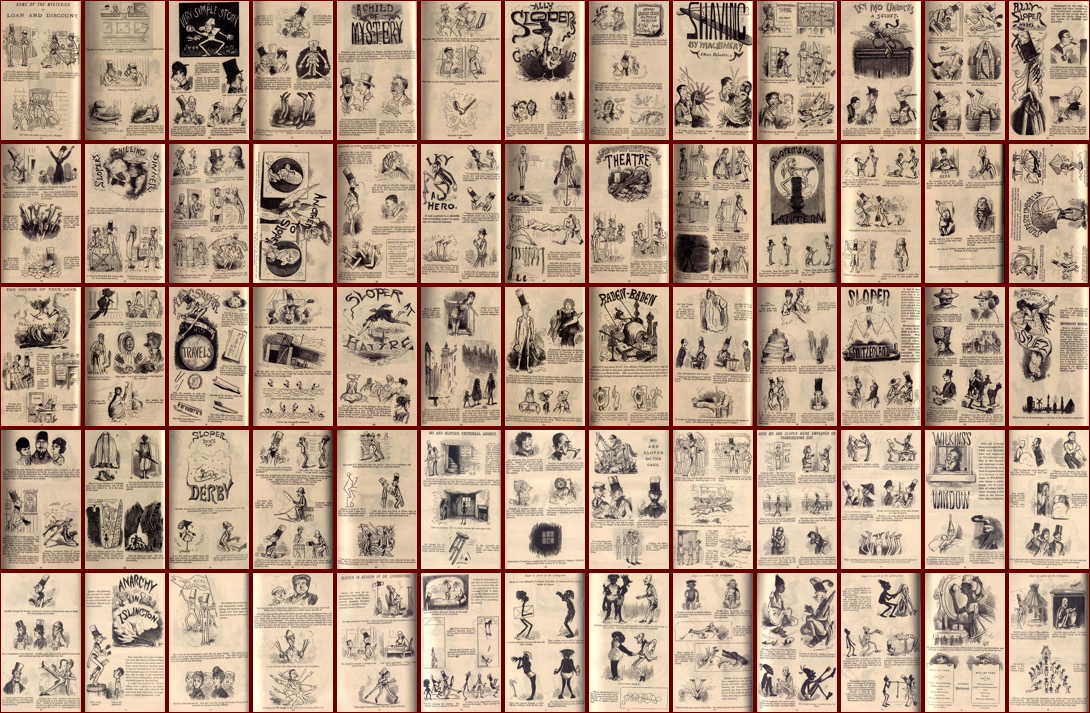 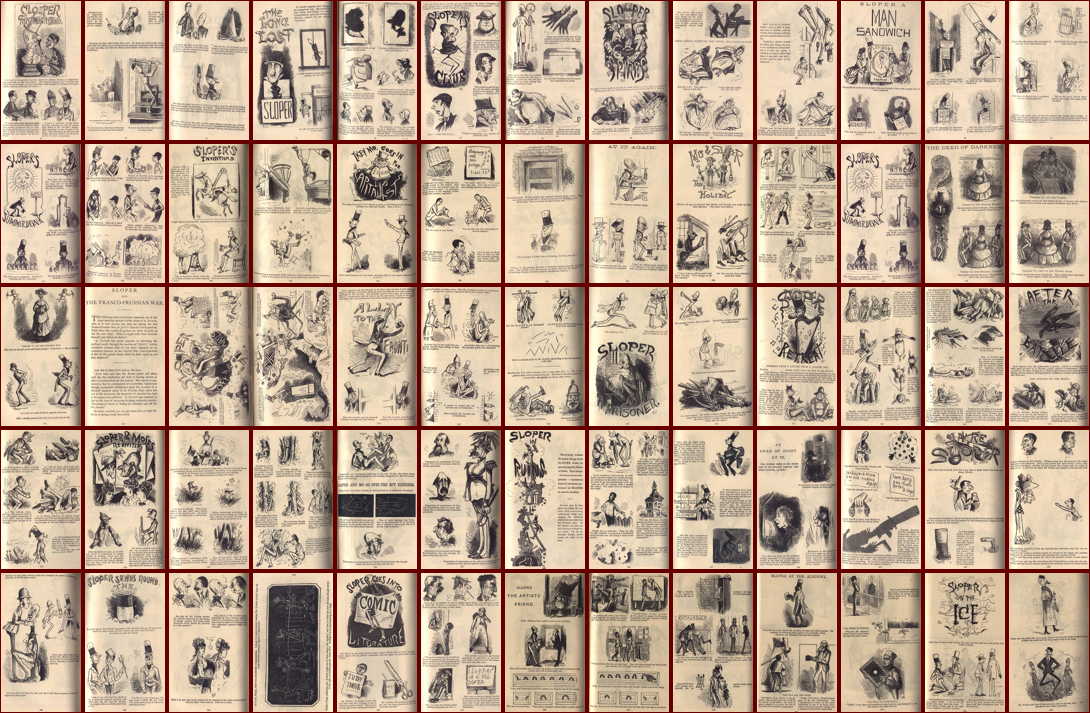 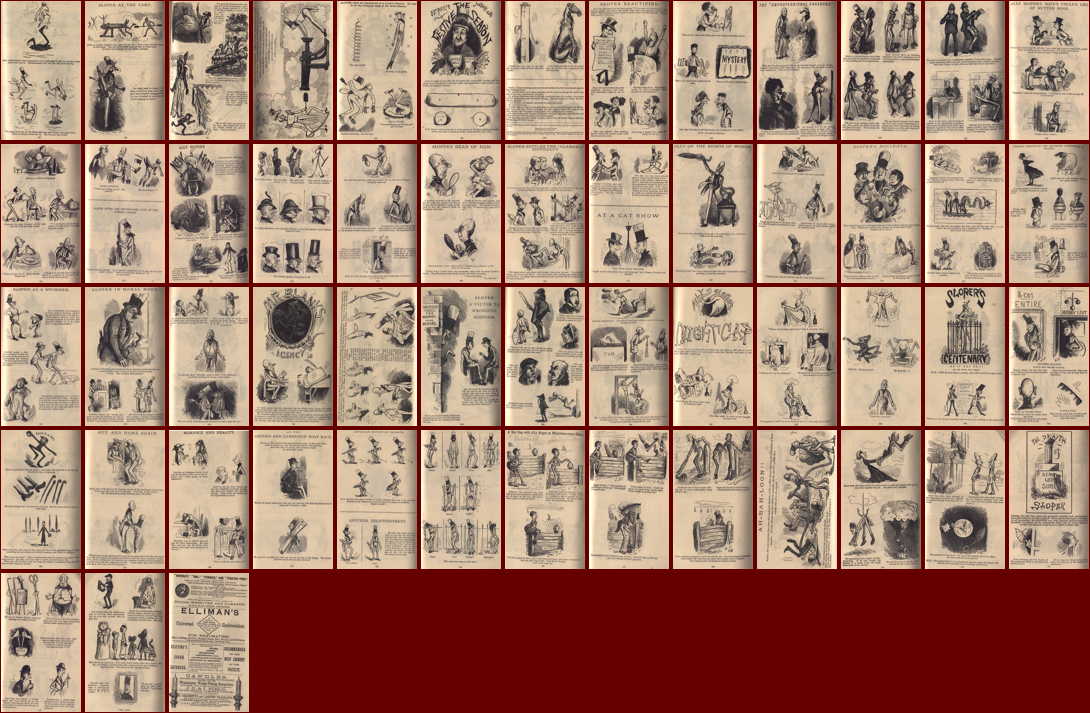 |
|
Thomas Rowlandson Part 1 - 'THE TOUR of DOCTOR SYNTAX, In search of the PICTURESQUE' Part 2 - DOCTOR SYNTAX, In search of Consolation Part 3 - DOCTOR SYNTAX - In Search of a Wife This is not a comic. It's not even a sequential series of images, like a Hogarthian progress, or even illustrations of a novel. But it can be seen as a milestone in comics history, because of the influence on Rodolphe Toepffer, who imitated the type of main character, the drawing style and the general atmosphere of countryfied wackyness. The use and re-use of one striking visual character, generally recognized and popular, is certainly typical of many comics to come. 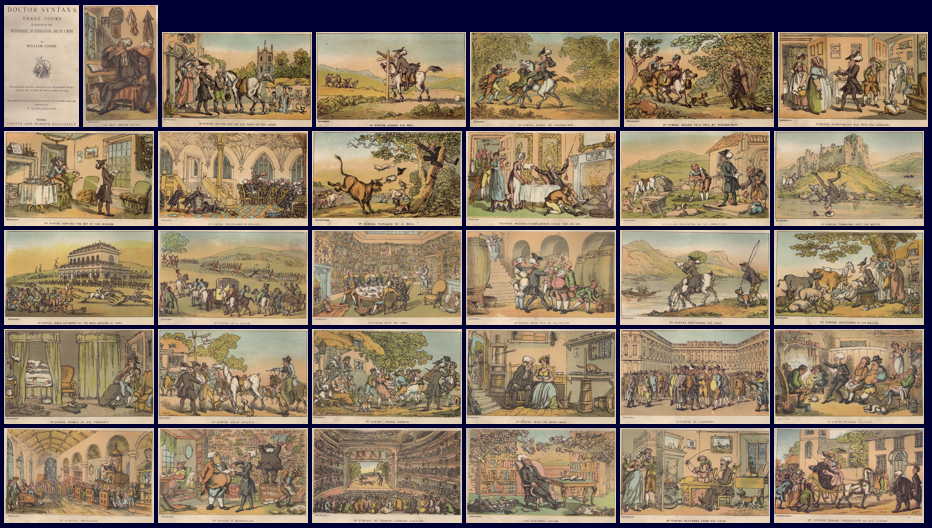 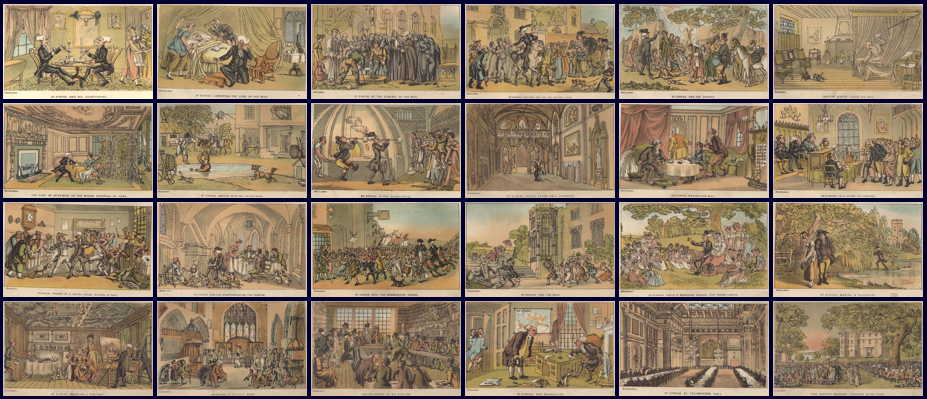 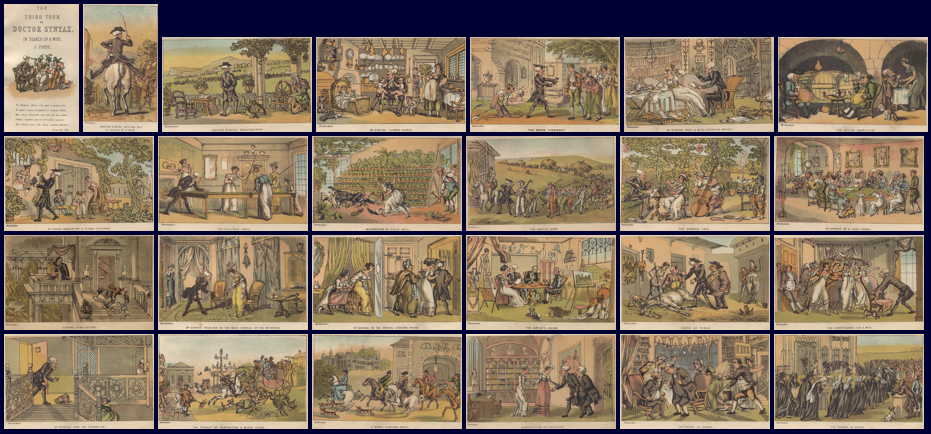
|
A.Rusden 'La Peau du Lion' (from 'Album Noel', 1900) 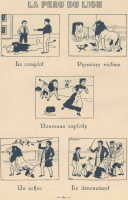
|
S
|
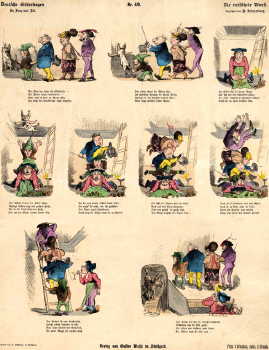
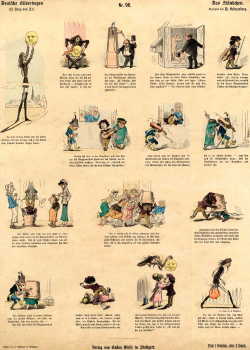
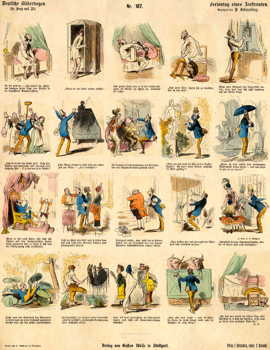
H. Scherenberg Der Bauer und der Kobold (The peasant and the kobold) Die entführte Wurst (The kidnapped sausage) Das Ständchen (The serenade) Ferientag eines Zerstreuten (Holiday of someone very distracted) Die Drei Wünsche (The three wishes) 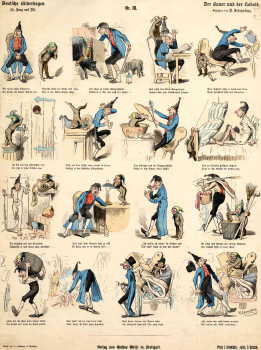
|
Schmelzer 'Hansl und Gretel - oder - Nach und nach' (1865) (Fliegende Blätter vol.46)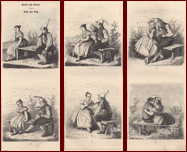 |
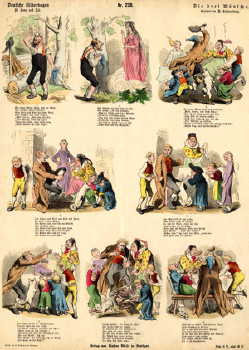
R. Schönborn (Drei Räuber) (Deutsche Bilderbogen Nr.105) 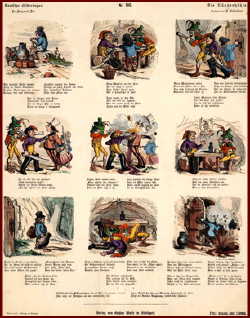 |
Schliessmann 'Der Sechsfôssler - ein Clownscherz' (The six-footer, a clownish joke) |
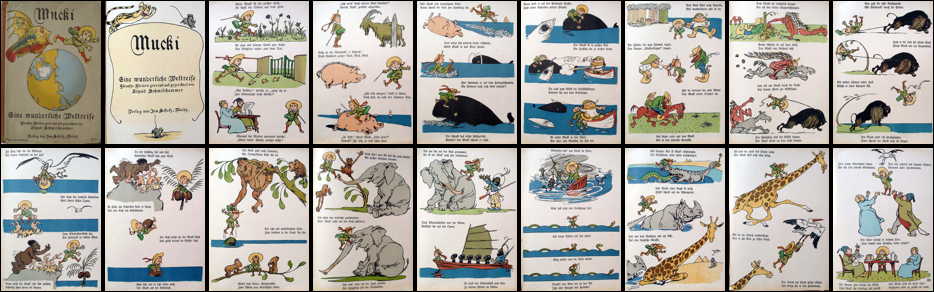
Arpad Schmidthammer (1905) This was very likely an inspiration for 'The Kinder-Kids' by Lionel Feininger. Schmidthammer's 'Mucki' had just been published when Feininger (living in Germany) was commisioned by the Chicago Tribune to come up with a comic strip. The style and content, especially the trip-round-the-world nonsense, shows similarities, although Feininger is far more inventive. - Schmidthammer himself was influenced by Busch, the plump parents are classic Busch (see Tobias Knop and wife), and the gag of hanging onto the stork is lifted from Max and Moritz.
  |
|
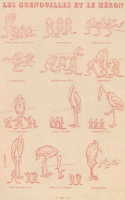
James A. (Affleck) Shepherd (1867-1946) Index Parrot and Dog (Boys' Own Paper 1891) (uses plot-relevant speechballoons) Les Grenouilles et le héron (from 'Album Noel', 1900) 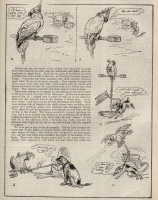
 |
|
C. Storch Der Automobilfahrer wider Willen (The unwilling motorist) 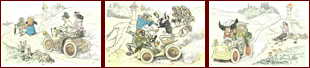 Bestrafter Geiz (Punished Selfishness)  Blinder Eifer (Blind Zeal)  Glück im Unglück - Storch after Pomerhanz 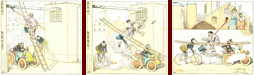 Gnom und Maulwurf (Gnome and Mole) 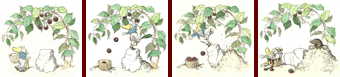 Der Maler und der Stier (The Painter and the Bull) 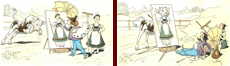 Verunglückter Musikuntericht (The music lesson that went wrong)  Die Zwerge und der Fischer (The Dwarfs and the Fisherman) 
|
H. Storkmann (French reprint) (originally published in Fliegende Blätter) |
James Francis Sullivan |
T
John Theele 'Die fünf Sinne' (The five senses) (Lustige Blätter 1892) |
|
John Tenniel (the illustrator of Alice in Wonderland, 1864) How Mr. Peter Piper Enjoyed a Day's 'Pig-sticking' 1853  How Mr. Peter Piper Tried his Hand at Buffalo-shooting 1853  How Mr. Peter Piper Was Induced to Join in a Bear-hunt 1853  How Mr. Peter Piper Accepted an Invitation from the Rajah of R. to Hunt a 'Royal Bengal Tiger' 1853  Mr. Piper (all on one page) Mr Spoonbill 1855 This was published in three installments, in Punch. Nine years later Busch created his famous 'Eispeter' (Peter falls into the same type of hole in the ice and turns into an iceblock). As Busch had already copied Cruikshank's toothache, he possibly found some inspiration in this story as well. 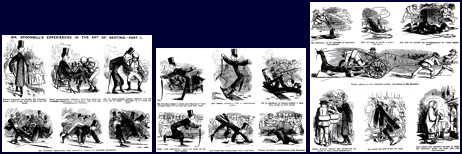 |
|
Rodolphe Töpffer
Index Monsieur Vieuxbois (1839) (partial translation) the same, but with smaller pictures - click here 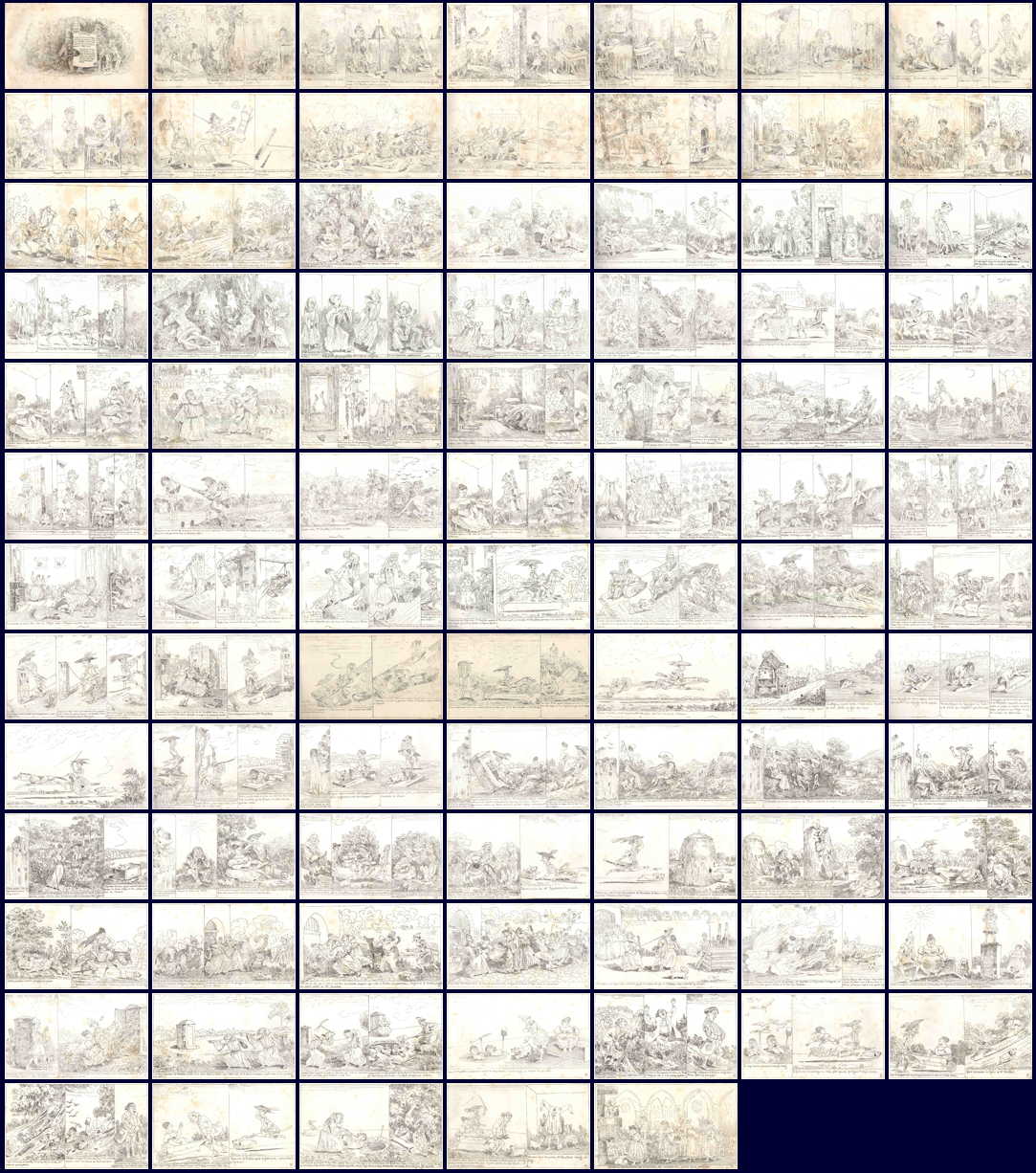 Comparison of the Aubert Pirate Version (1839) and the US copy (1842) 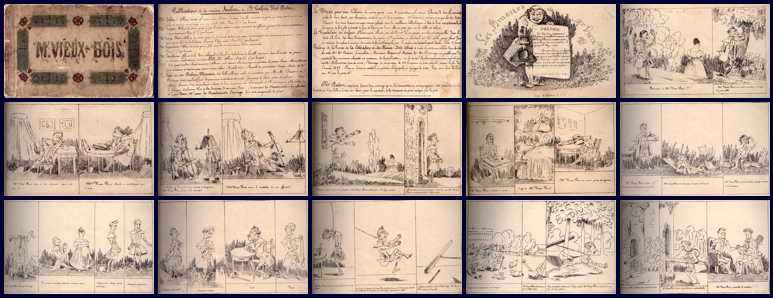 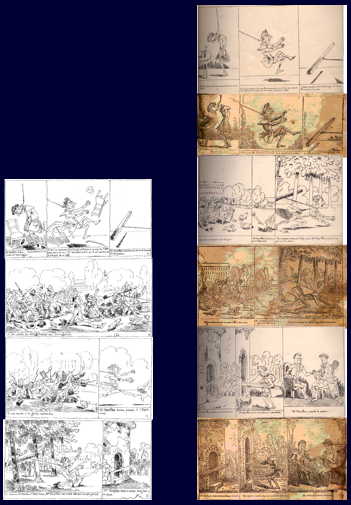 Comparison of Monsieur Tric Trac and a Dutch sequel (Prikkebeen) 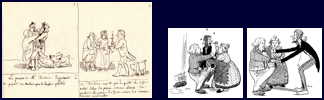 Comparison of Vieuxbois and Cruikshank 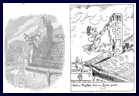 EXTERNAL LINK: 'Histoire de Mr. Vieux Bois' Original manuscript version of Monsieur Vieuxbois, 1827 (30 pages/158 panels) with text typed out underneath, and a translation. The first printed edition was published ten years later, expanded to 88 pages/198 panels. The second edition 1839 (as presented above on my own site) had 92 pages / 220 panels. |
|
M. Tucker 760 - - 'The Stolen Cigar or The Monkey who got it in the Neck'  |
V
M. Vaiselow 'Das gewohnte Stichwort' (Lustige Blätter 1892) 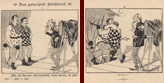 |
|
Gustav Verbeek 'The Hunter's Strategy' (Harper's Round Table, Annual 1897)  'A quelque chose malheur est bon' (The Swan) 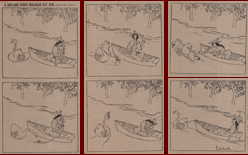 |
The Upside Downs of Little Lady Lovekins and Old Man Muffaroo - The Thrilling Adventure of the Dragon (8. Mai 1904)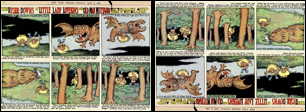 |
S. Vitou 'Der Photograph in der Wüste - Vorzug der Revolver Camera' (Lustige Blätter 1892) 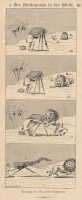 |
Z
|
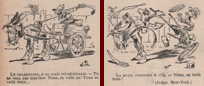
Zim (Eugene Zimmerman) Index Blackville (originally published in 'Judge') (Mule Récalcitrant) (originally published in 'Judge') ('Le Renseignement exact') (originally published in 'Judge') 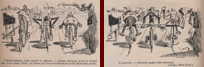
|
| This is a presentation of historical comics, intended to enlighten and amuse students of comics history, and to provide their teachers with reference material. Maybe these early comics will also inspire some of today's cartoonists. Most were scanned by me, ususally from books or magazines lent to me. Sometimes I get sent a dvd with scans someone made from his own collection. |
If you have questions about early comics, please direct them to this mailing list: Platinum Age Comics
Copyright © 2014 by Andy Konky Kru
Home